Thumb Sucking & Pacifiers: When Is It Time for Orthodontic Intervention?
Thumb sucking and pacifier use are common self-soothing habits for infants and toddlers, offering comfort and security in early childhood. While these behaviors are completely normal during the first few years of life, prolonged use can begin to impact your child’s oral development.
At Little Roots Pediatric Dentistry in Costa Mesa, Dr. Linda Ngo and Dr. Hannieh Hassani understand how important it is for parents to have guidance on when these habits might lead to orthodontic concerns, and when it’s time to make a gentle, well-informed transition.
How Thumb Sucking and Pacifiers Affect Oral Development
In early infancy, thumb sucking and pacifier use serve as natural reflexes. But as your child grows, these habits can begin to interfere with the normal growth and alignment of their teeth and jaws, especially once they have most or all of their baby teeth.
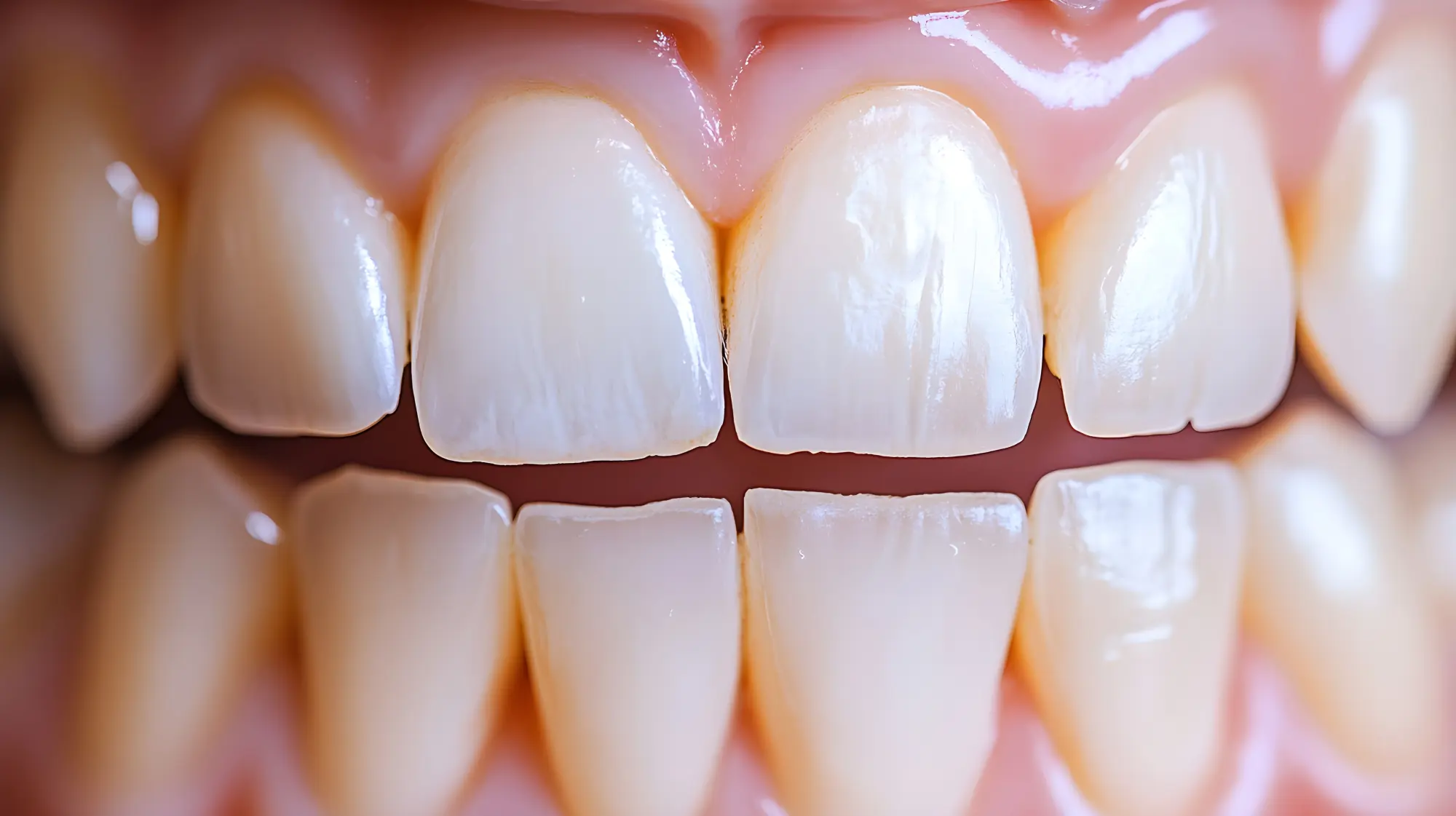
Continuous sucking pressure on the soft tissues and developing bones can alter oral structures, especially if the habit extends beyond preschool years. Some common issues that can develop include:
- Open bite (where front teeth don’t meet when the mouth is closed)
- Overbite or protruding front teeth
- Changes in the roof of the mouth (palate)
- Speech difficulties or tongue thrusting
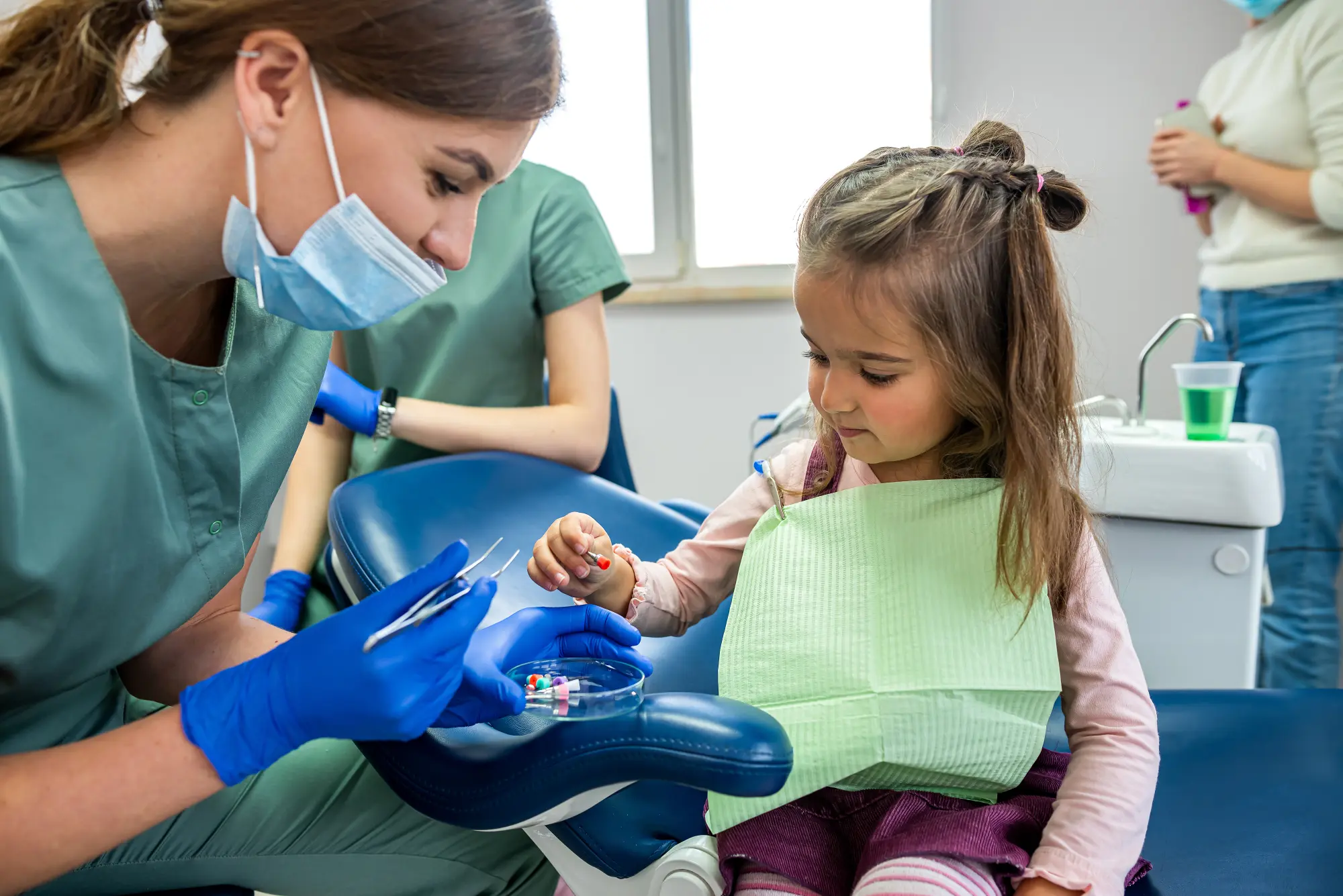
Dr. Linda and Dr. Hani, both board certified pediatric dentists, use their expertise to assess these patterns early on, supporting healthy development through compassionate, kid-focused care.
When to Begin Weaning from Thumb or Pacifier Habits
Most children naturally stop thumb sucking or using pacifiers sometime between the ages of 2 and 4. However, if the behavior doesn’t slow down or stop within this time period, it may be time to begin gentle weaning to prevent long-term effects on dental and facial development.
Every child is different, and the care team at Little Roots Pediatric Dentistry respects each child’s emotional needs while guiding families with patience and understanding. Helpful strategies to support your child include:
- Positive reinforcement and praise when your child chooses not to suck their thumb
- Using other comfort objects like blankets or toys as an alternative when feeling anxious or tired
- Creating distraction techniques like arts and crafts or storytelling before bedtime
For children with sensory sensitivities or anxiety, our team offers individualized approaches, including desensitization visits and behavior support techniques to build trust and reduce stress.
Signs It’s Time to Consider Orthodontic Evaluation
If thumb sucking or pacifier use has continued beyond the age of 3-4, or your child is showing signs of misaligned teeth or bite problems, a visit to your pediatric dentist is the first step.
Early evaluation allows us to identify abnormal patterns and monitor jaw growth, often minimizing the need for more extensive treatment later. Your child may benefit from an orthodontic evaluation if you notice:
- Front teeth that are flaring or not touching
- Difficulty biting or chewing properly
- Changes in facial symmetry or jaw function
- Mouth breathing or speech delays
At Little Roots Pediatric Dentistry, our experienced team works closely with local orthodontists when early interceptive treatment is needed. We’ll guide you every step of the way, ensuring your child feels safe, heard, and supported throughout their dental journey.
Schedule a Pediatric Dental Visit in Costa Mesa
If you’re noticing changes in your child’s bite or wondering whether it’s time to intervene with thumb sucking or pacifier use, the team at Little Roots Pediatric Dentistry in Costa Mesa is here to help. Call (714) 477-2906 or book online to schedule a visit with Dr. Linda or Dr. Hani. Together, we’ll ensure your child’s smile is developing on track, with thoughtful, personalized care every step of the way.